






In der heutigen Welt ist Sitzen zu einem normalen Bestandteil des Alltags geworden. Egal, ob Sie am Schreibtisch arbeiten, stundenlang spielen oder einfach online surfen – lange Sitzphasen sind fast unvermeidlich. Was viele jedoch übersehen, ist nicht nur wie lange sie sitzen, sondern auf was sie sitzen.
Im Laufe der Zeit kann langes Sitzen – besonders auf einem ungeeigneten Stuhl – still und leise erheblichen Stress auf die Wirbelsäule und den Rücken ausüben. Die Auswirkungen sind oft schleichend, können aber schwer zu ignorieren werden.
Wie langes Sitzen die Wirbelsäule beeinflusst
Die menschliche Wirbelsäule ist nicht für lange Phasen statischer Haltung ausgelegt. Sie bildet natürlicherweise eine „S“-Form, die hilft, das Körpergewicht zu verteilen und Druck zu absorbieren. Wenn Sie jedoch über längere Zeit ohne richtige Unterstützung sitzen, beginnt diese natürliche Krümmung einzubrechen.
Ein Stuhl ohne ausreichende Lendenwirbelstütze lässt den unteren Rücken oft nach vorne runden. Dadurch baut sich Druck in den Bandscheiben auf, besonders im Lendenbereich. Im Laufe der Zeit kann dies zu Steifheit, Unbehagen und sogar langfristigen Haltungsproblemen führen.
Besorgniserregend ist, dass diese Veränderungen selten auf einmal auftreten. Stattdessen entwickeln sie sich langsam – beginnend mit leichter Ermüdung und schließlich in anhaltende Rückenschmerzen übergehend.
Die Rolle eines ungeeigneten Stuhls
Während das Sitzen an sich schädlich sein kann, kann ein ungeeigneter Stuhl die Situation erheblich verschlimmern.
Ein flacher oder schlecht gepolsterter Sitz verteilt das Körpergewicht möglicherweise nicht gleichmäßig, wodurch sich der Druck auf Hüften und unteren Rücken konzentriert. Gleichzeitig zwingt das Fehlen einer Rückenstütze Ihre Muskeln, ständig auszugleichen, was zu Ermüdung in Schultern und Wirbelsäule führt.
Außerdem können Stühle, die keine Verstellmöglichkeiten bieten, Ihren Körper in einer einzigen Position fixieren. Dieser Bewegungsmangel erhöht die Belastung weiter, da der Körper keine Gelegenheit hat, sich natürlich zu verändern.
Kurz gesagt: Der falsche Stuhl fühlt sich nicht nur unbequem an – er wirkt aktiv gegen Ihren Körper.
Warum Rückenschmerzen oft unbemerkt beginnen
Eine der größten Herausforderungen bei sitzbedingtem Unbehagen ist, dass es sich allmählich aufbaut. Zuerst fühlen Sie sich nach einer langen Sitzung vielleicht nur leicht müde. Dann beginnen Sie, Ihre Haltung häufiger zu verändern. Schließlich wird das Unbehagen zu einem regelmäßigen Begleiter.
Da der Prozess langsam verläuft, verbinden viele Menschen ihre Rückenschmerzen nicht sofort mit ihrem Stuhl. Mit der Zeit kann schlechte Unterstützung jedoch nicht nur den unteren Rücken, sondern auch Nacken und Schultern beeinträchtigen.
Deshalb kann eine frühzeitige Verbesserung Ihres Sitzplatzes einen bedeutenden Unterschied machen.
Die Wahl eines Stuhls, der Ihren Körper unterstützt
Wenn lange Sitzzeiten unvermeidlich sind, ist die Lösung nicht einfach weniger zu sitzen – sondern besser zu sitzen.
Ein gut gestalteter ergonomischer Stuhl unterstützt die natürliche Krümmung der Wirbelsäule, reduziert den Druck auf wichtige Bereiche und ermöglicht dem Körper, eine neutralere Haltung einzunehmen. Merkmale wie Lendenstütze, verstellbare Höhe, neigbare Rückenlehnen und unterstützende Polsterung tragen alle zu einem gesünderen Sitzgefühl bei.
Wichtiger noch: Ein guter Stuhl fördert kleine Haltungsänderungen im Laufe des Tages, was hilft, die Belastung durch zu langes Verharren in einer Position zu verringern.
Ein unterstützenderer Ansatz für das tägliche Sitzen
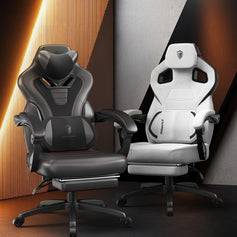
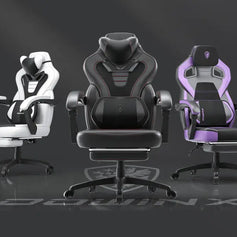
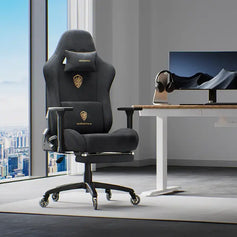
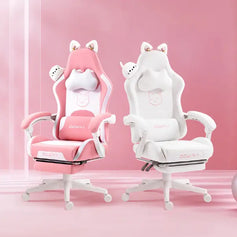
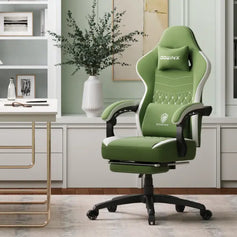
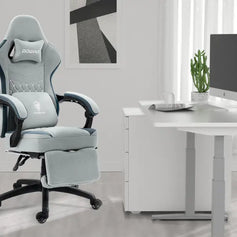
Als Antwort auf diese Bedürfnisse sind viele moderne Stühle sowohl auf Komfort als auch auf langfristige Nutzung ausgelegt. Zum Beispiel kombinieren Stühle wie das Dowinx Executive Office Modell eine strukturierte Rückenstütze mit Funktionen, die es den Nutzern ermöglichen, sich im Laufe des Tages zu entspannen und anzupassen.
Mit hoher Rückenlehne, unterstützender Polsterung und verstellbaren Neigungswinkeln ist dieser Stuhl darauf ausgelegt, den Druck auf die Wirbelsäule während langer Sitzphasen zu reduzieren. Zusätzlich können Funktionen wie integrierte Massageunterstützung helfen, Verspannungen im unteren Rücken nach langen Arbeits- oder Spielzeiten zu lösen.
Anstatt den Körper in eine starre Position zu zwingen, konzentriert sich dieser Ansatz darauf, Unterstützung und Flexibilität auszubalancieren – zwei Faktoren, die für den langfristigen Komfort unerlässlich sind.
Weniger sitzen ist ideal – aber besser sitzen ist realistisch
Natürlich sind Pausen und regelmäßige Bewegung immer vorteilhaft. Für viele Menschen gehören lange Stunden am Schreibtisch jedoch einfach zum Alltag. In diesen Fällen wird die Verbesserung der Qualität Ihres Stuhls zu einer der praktischsten Möglichkeiten, Ihren Rücken zu schützen.
Ein unterstützender Stuhl beseitigt nicht alle Auswirkungen des Sitzens, kann aber unnötige Belastungen für Wirbelsäule und Muskeln deutlich reduzieren.
Abschließende Gedanken
Die Gefahren des langen Sitzens werden oft unterschätzt, besonders wenn sich Unbehagen nicht sofort zeigt. Doch mit der Zeit kann die Kombination aus langen Stunden und einem ungeeigneten Stuhl echten Stress für den Körper bedeuten.
Indem Sie darauf achten, wie Sie sitzen – und worauf Sie sitzen – können Sie kleine Veränderungen vornehmen, die eine nachhaltige Wirkung haben. Einen Stuhl zu wählen, der Ihre Wirbelsäule unterstützt, eine bessere Haltung fördert und sich an Ihre täglichen Gewohnheiten anpasst, geht über Komfort hinaus. Es geht darum, Ihr Wohlbefinden in einem Lebensstil zu erhalten, in dem Sitzen unvermeidlich ist.
Denn am Ende, wenn das Sitzen Teil Ihres Alltags wird, wird der richtige Stuhl Teil Ihrer langfristigen Gesundheit.