




In modern life, many people spend long hours sitting at a desk—working, studying, or gaming. Because of this, the chair we use every day plays a much larger role in our comfort and health than we might realize. This is where the concept of an ergonomic chair becomes important.
An ergonomic chair is designed to support the natural structure of the human body while sitting. Instead of forcing the body into a fixed position, it helps maintain proper posture, reduces pressure on key areas such as the lower back and shoulders, and allows users to remain comfortable during long periods of sitting. However, while a well-designed ergonomic chair can improve daily comfort, choosing a poorly designed one may actually lead to physical problems over time.

What Exactly Is an Ergonomic Chair?
The term “ergonomics” refers to designing products that fit the human body and its natural movements. When applied to chairs, this means creating seating that supports the spine, distributes body weight properly, and allows users to adjust the chair according to their height and posture.
A true ergonomic chair usually includes features such as lumbar support, adjustable armrests, reclining mechanisms, and seat height adjustments. These elements work together to support the body’s natural “S-shaped” spinal curve. When a chair provides this support, it reduces strain on muscles and joints during long sitting sessions.
In other words, the goal of an ergonomic chair is not simply to look comfortable—it is to promote healthier sitting habits.

The Hidden Risks of Choosing the Wrong Ergonomic Chair
Although many chairs claim to be ergonomic, not all of them provide proper support. In fact, a poorly designed chair can cause several physical issues if used for long periods.
First, insufficient lumbar support can place excessive pressure on the lower back. Without proper support, the spine may gradually curve forward, leading to poor posture and increased stress on spinal discs. Over time, this may result in chronic lower back discomfort.
Second, chairs with poorly designed seat cushions may concentrate pressure on the hips and thighs. This uneven pressure can reduce circulation and create discomfort during extended sitting sessions. Users may find themselves constantly shifting positions in an attempt to relieve the pressure.
In addition, fixed or poorly positioned armrests can create tension in the shoulders and neck. If the arms are not supported correctly, the upper body may lean forward, placing extra strain on the neck and upper back.
These problems often develop gradually. What begins as mild discomfort can eventually turn into persistent fatigue or posture-related pain.

Why Good Ergonomic Design Matters More Than Ever
As remote work and long gaming sessions become increasingly common, the importance of supportive seating continues to grow. Many people now spend eight or more hours each day sitting in front of a screen. In such situations, even small design flaws in a chair can become noticeable over time.
This is why thoughtful ergonomic design has become a key focus for many modern chair manufacturers. Instead of simply emphasizing style, some brands concentrate on how a chair supports the body during real daily use.
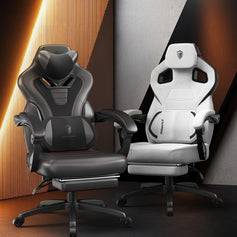
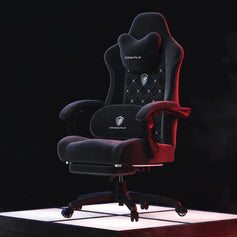
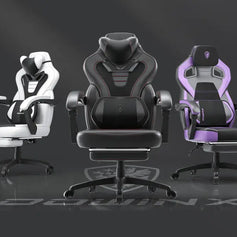
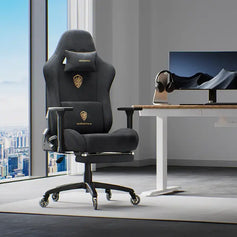
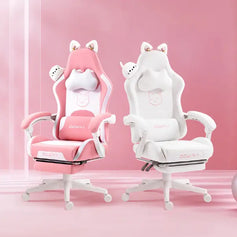
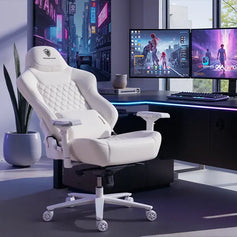
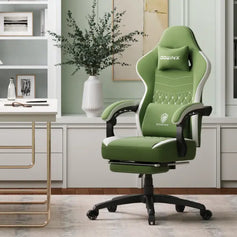
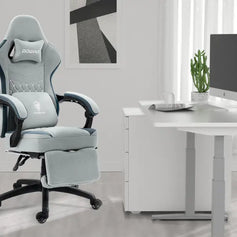
For example, the gaming and office chairs developed by Dowinx aim to combine comfort, adjustability, and structural support. Many of their designs include adjustable lumbar pillows, headrests, reclining backrests, and supportive seat cushions. These features allow users to adjust the chair to their own posture, helping reduce fatigue during long hours of work or gaming.
Rather than forcing users into a single sitting position, such designs encourage small posture changes throughout the day, which is an important principle in ergonomic seating.
Choosing an Ergonomic Chair That Truly Supports You
Ultimately, an ergonomic chair should feel supportive rather than restrictive. It should allow you to sit naturally, maintain proper posture, and remain comfortable for extended periods.
When evaluating a chair, it is helpful to consider several factors: whether it provides proper lumbar support, whether the seat cushion distributes weight evenly, and whether the chair can be adjusted to match your body proportions. These details often determine whether a chair will remain comfortable after hours of use.
In a world where sitting has become a daily routine, the quality of your chair matters more than ever. A well-designed ergonomic chair can help protect your posture, reduce fatigue, and improve everyday comfort—making it a valuable investment for both work and relaxation.